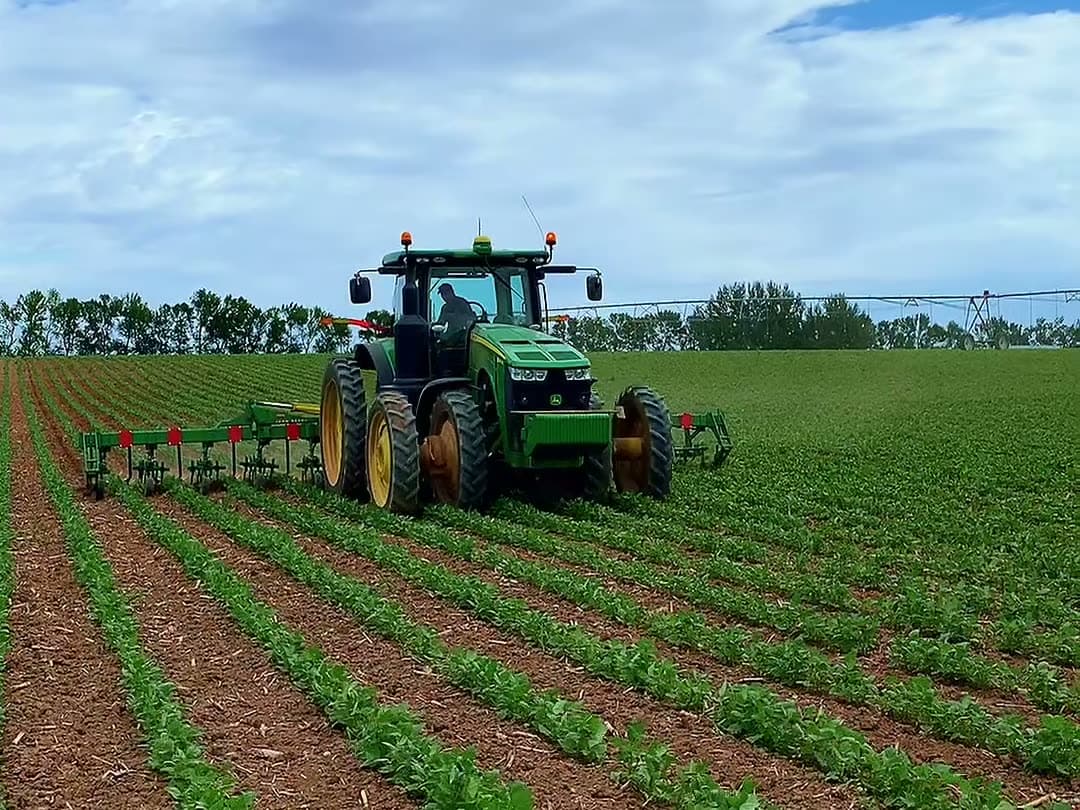


Thinking about going organic?This is a good time to start.
Transitioning to certified organic is one of the biggest decisions an operation can make. It is also one of the most rewarding. Here is what it takes, what it can mean for your bottom line, and how Quick Organics helps you get there without drowning in paperwork.
The organic market is not slowing down.
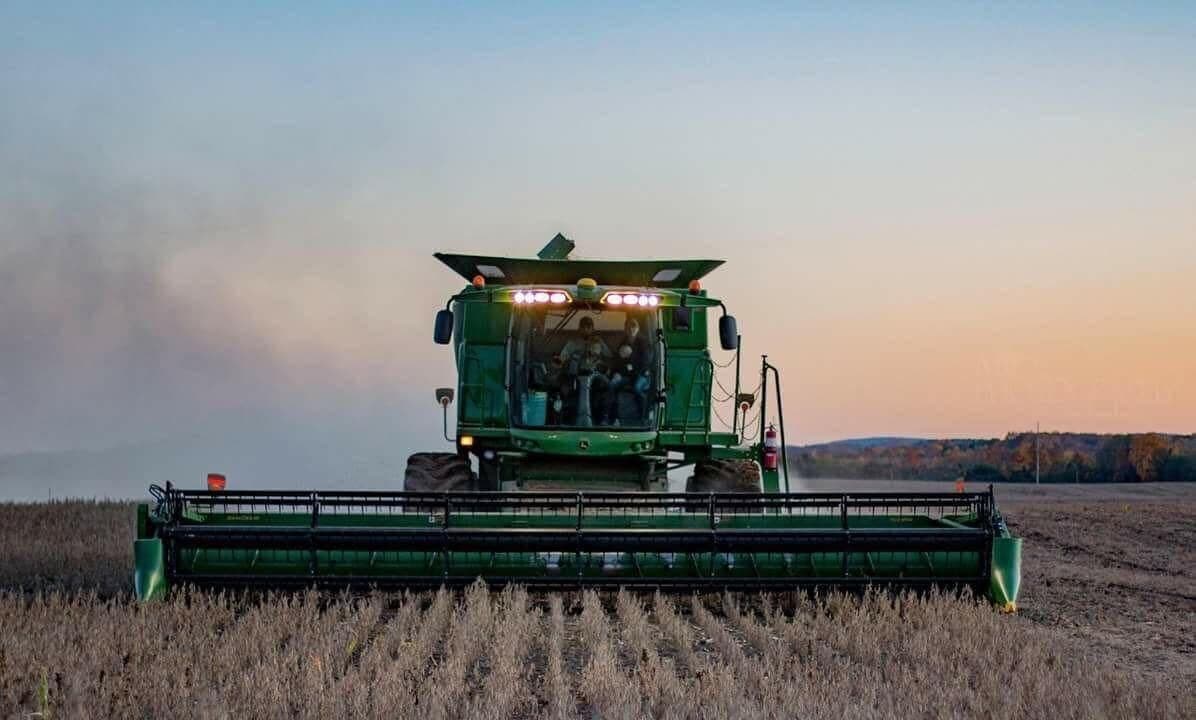
United States sales of certified organic products reached a record 76.6 billion dollars in 2025, growing 6.8 percent in a single year, double the conventional market. Organic has outpaced the total market three years running and is on track to cross 100 billion dollars by 2030.
Certified organic can also command a real price premium, and that premium changes the math on your whole operation. The first years take patience, but operations that make it through reach markets and pricing conventional ones cannot.
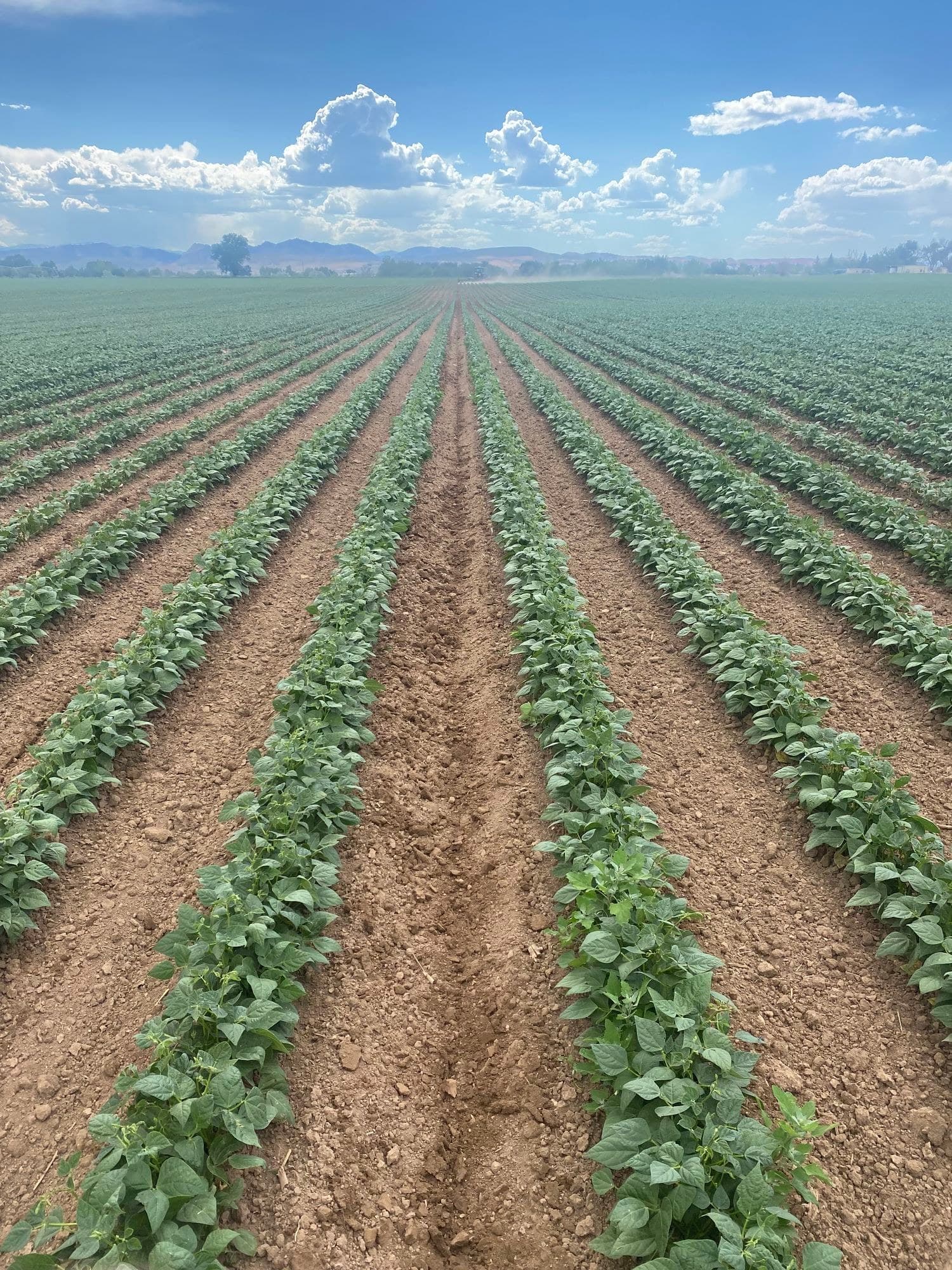
Four requirements, and one of them trips up almost everyone.
- 1
A 36-month transition window
Your land must be managed organically for 36 months before you can harvest a certified organic crop, with no prohibited substances during that window.
Good to knowThere’s often a better scenario: stop all prohibited substance applications by August 1st of your starting year, and a crop planted afterward and harvested in September or October of year three could potentially be sold as certified organic, ahead of a full 36 months. Contact us for details on how the timing could work for your operation.
- 2
An Organic System Plan
You build an Organic System Plan, or OSP, that describes how you farm organically: your inputs, practices, recordkeeping, and how you keep organic and non-organic separate.
- 3
Keep records the whole way through
You keep records from the first day of the transition window to the day your certificate is issued, and every year after.
- 4
Work with an accredited certifier
You work with an accredited certifier who reviews your OSP, inspects your operation, and issues your certification.
The paperwork is the part that stops most people, and that is exactly the part Quick Organics was built to handle.
Organic Transition Calculator
Transitioning is a financial decision, so use our calculators to see what it could look like for your operation.
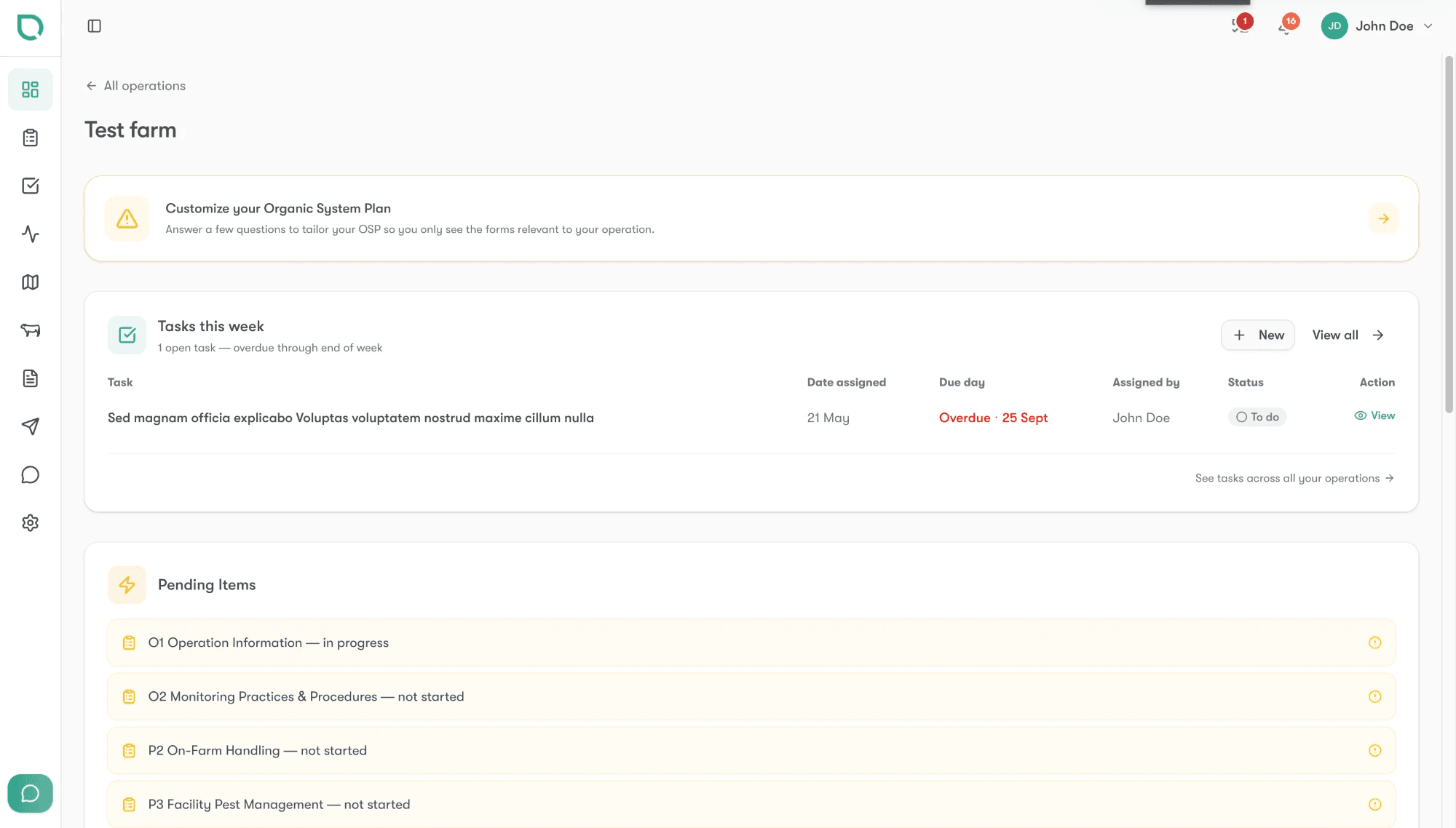

Streamlining Organic Certification Through Strategic Partnerships
We’re proud to work alongside leading certifiers and organizations that share our mission. Together, we’re building a more connected, streamlined future for organic producers.




It was so streamlined. It almost wove the bigger picture together for me.
Not sure where to begin? Talk to someone who has done it.
Request a call, or reach out to Greg Schreiner, Founder & Advisor of Quick Organics, at 720.354.2740. Greg spent over a decade transitioning acres of his own and has helped many operations do the same.
Guides for operations making the switch.




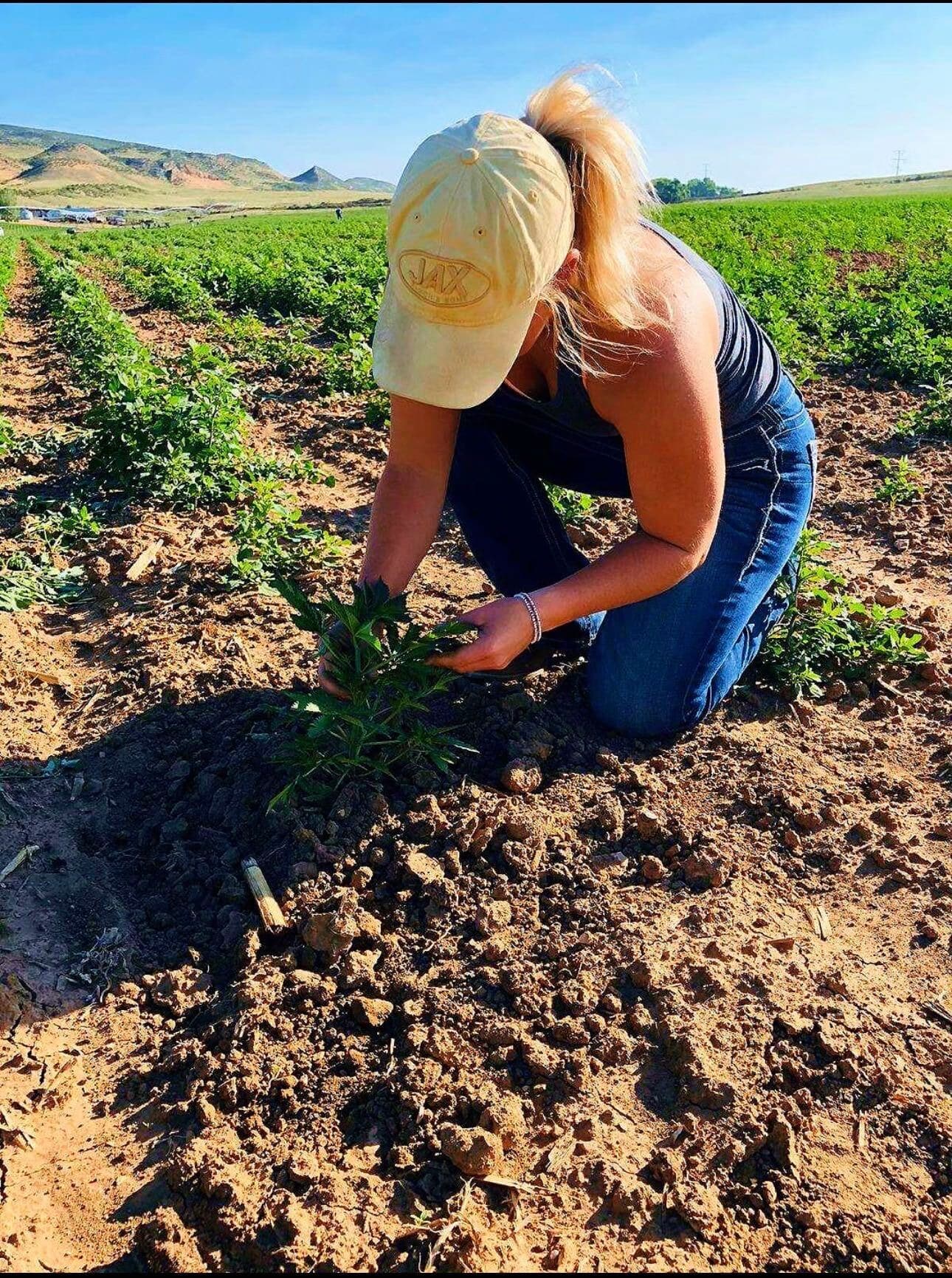
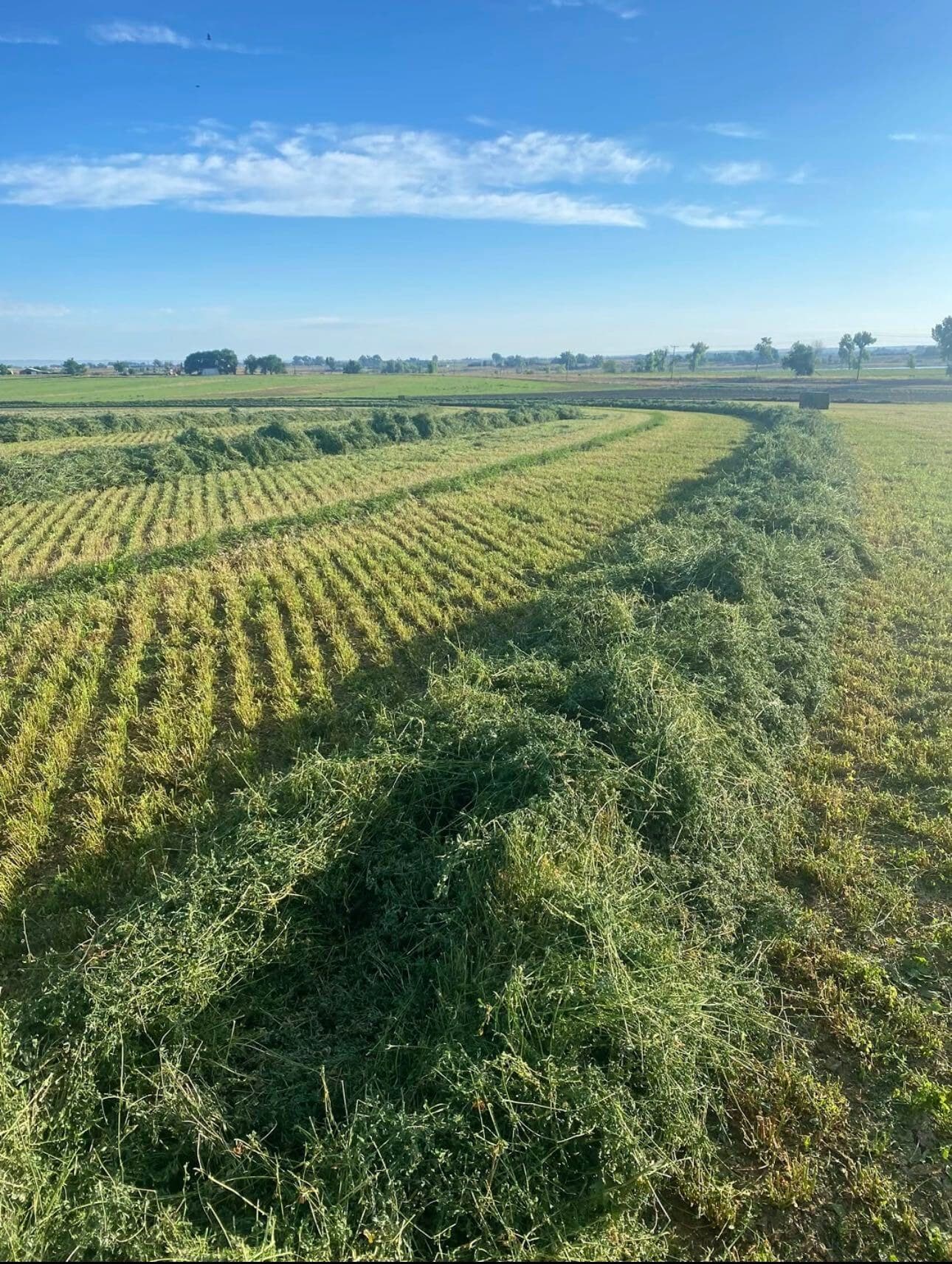
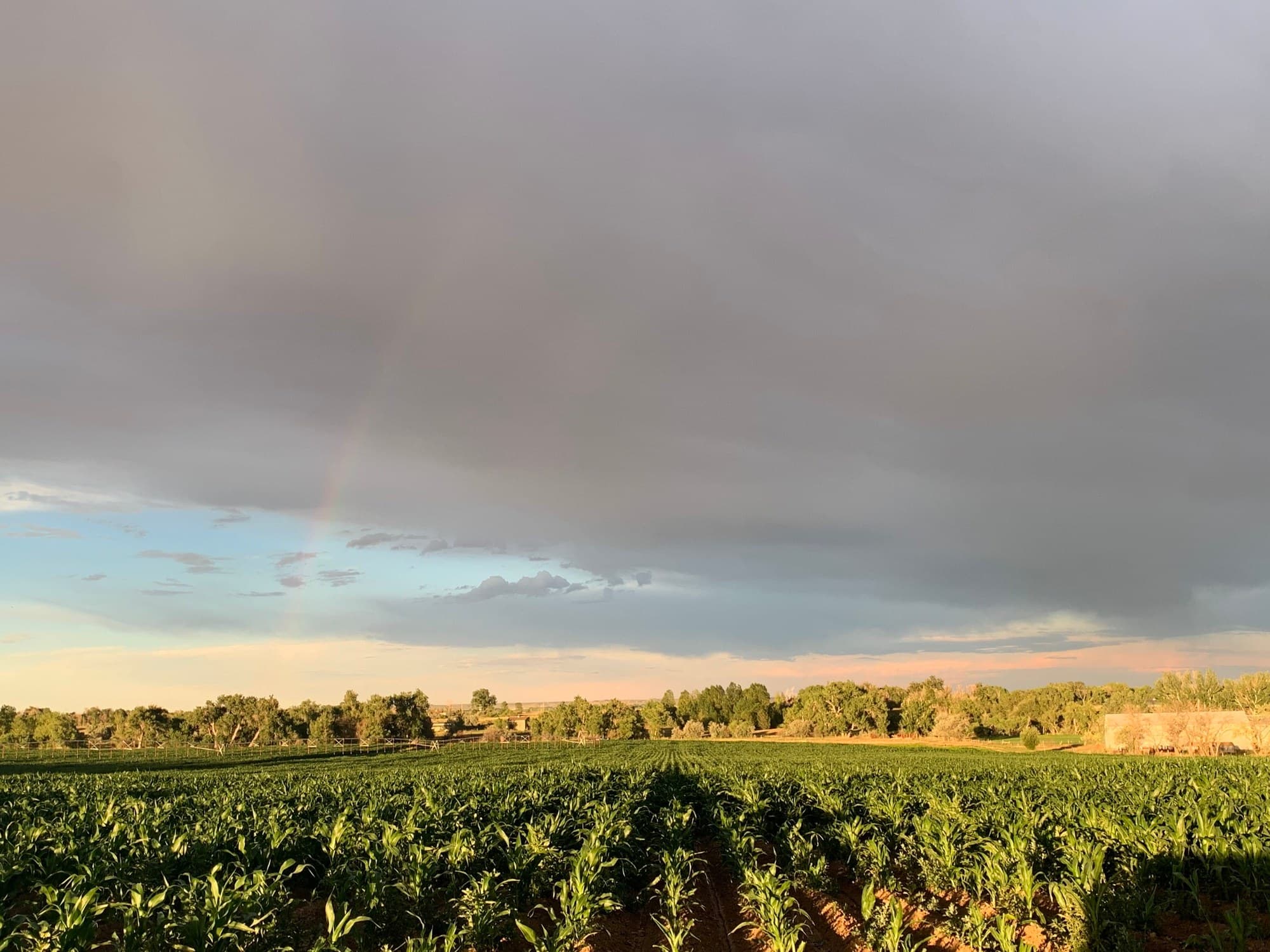
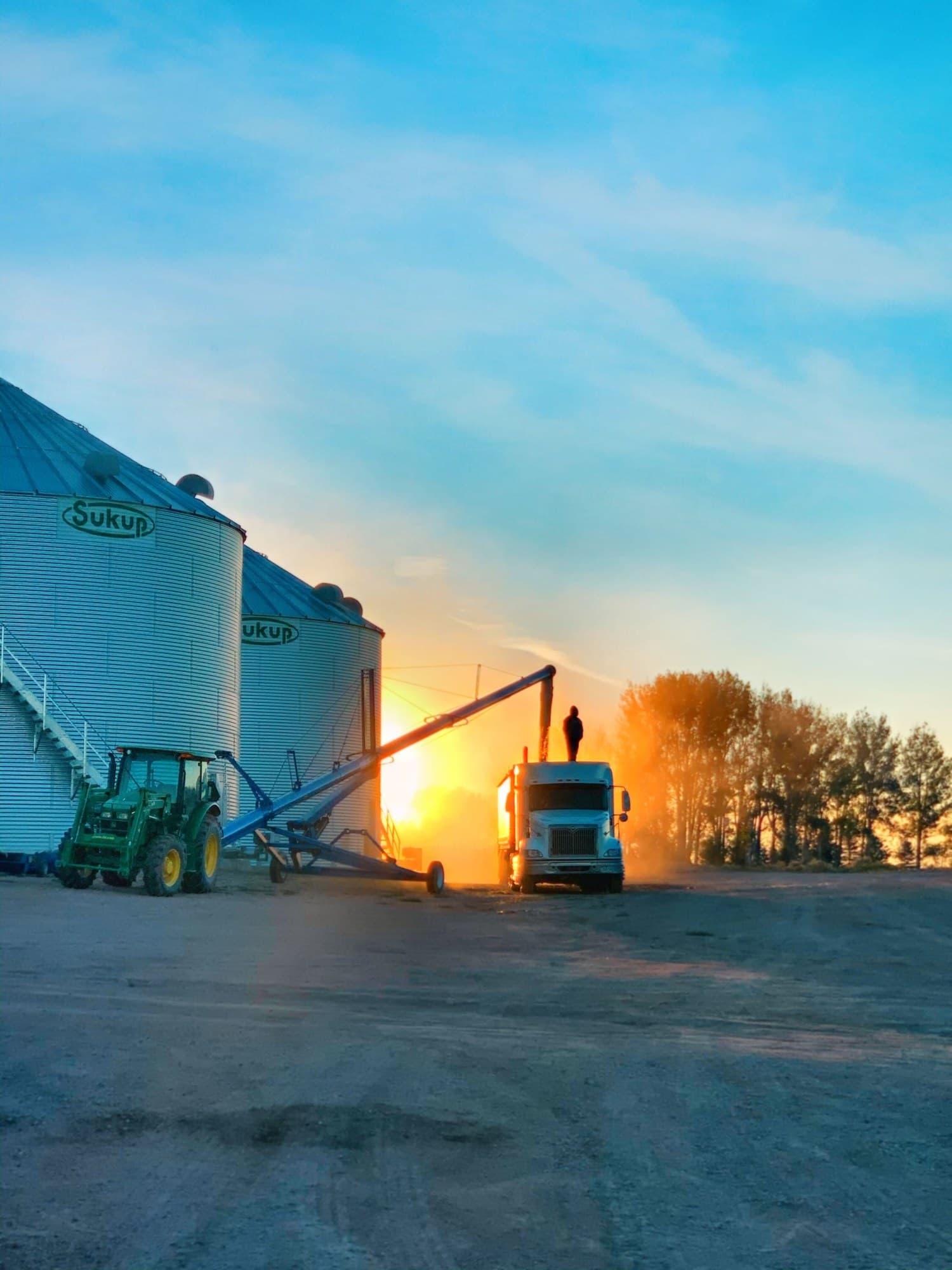
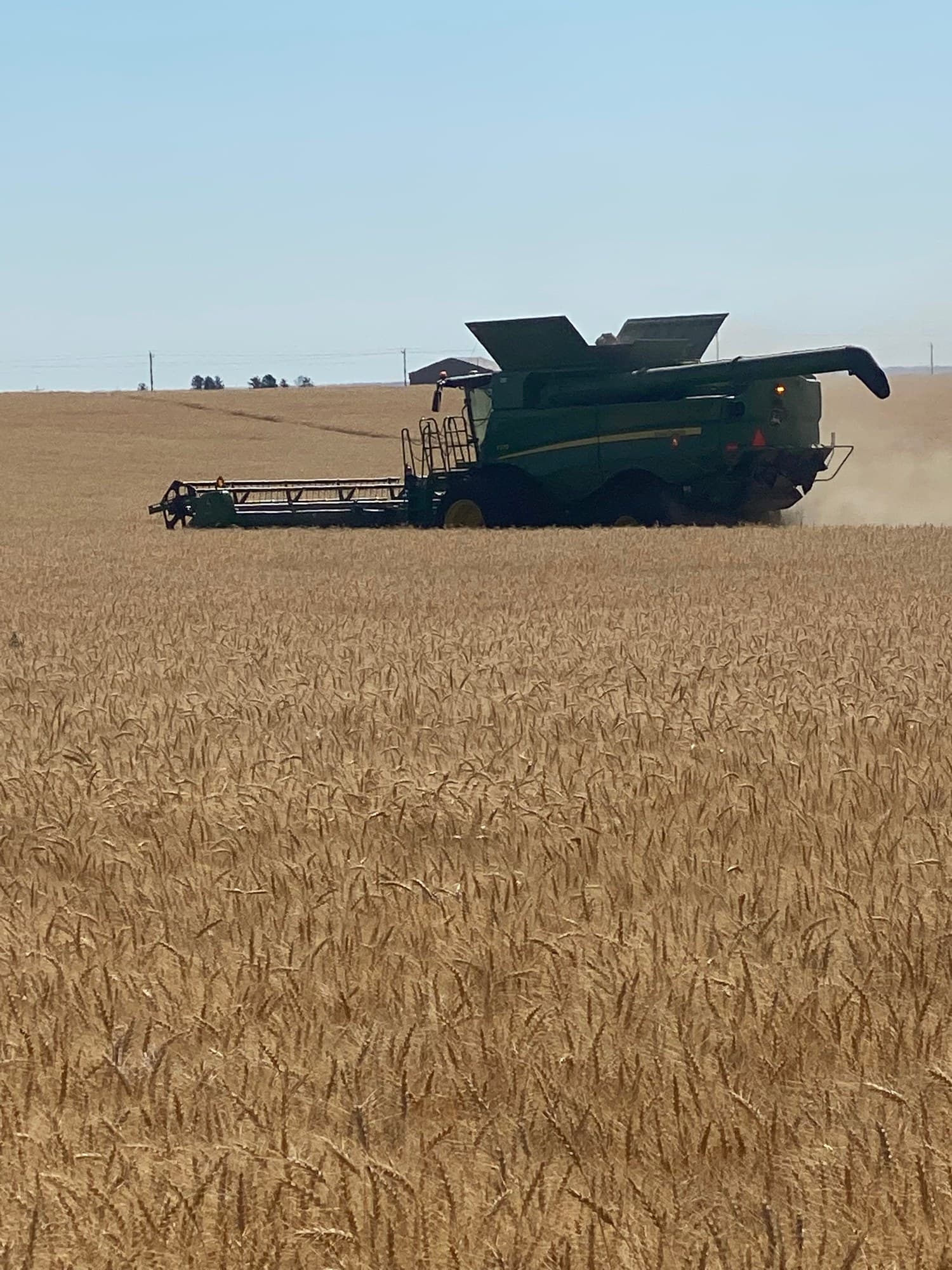
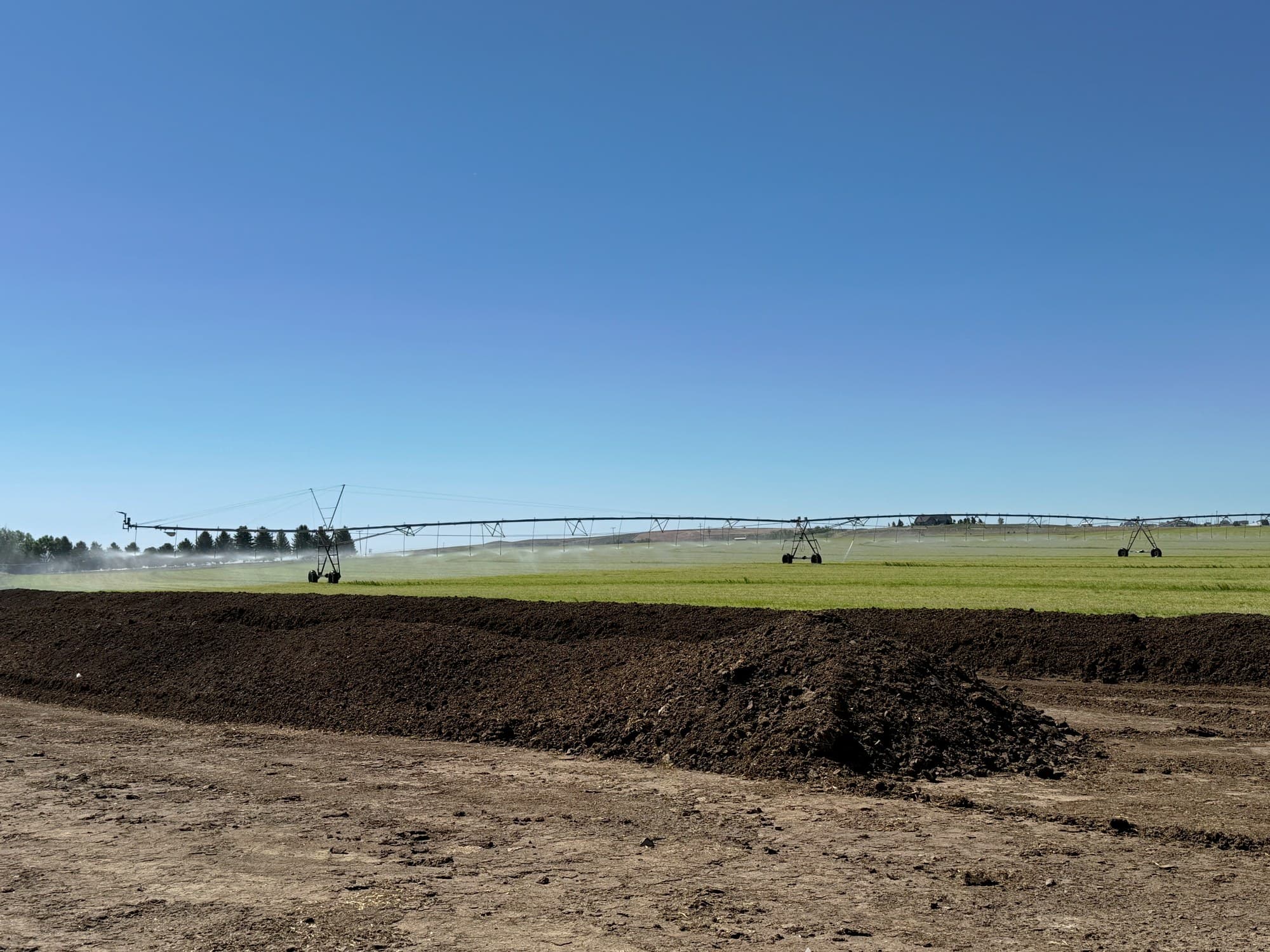

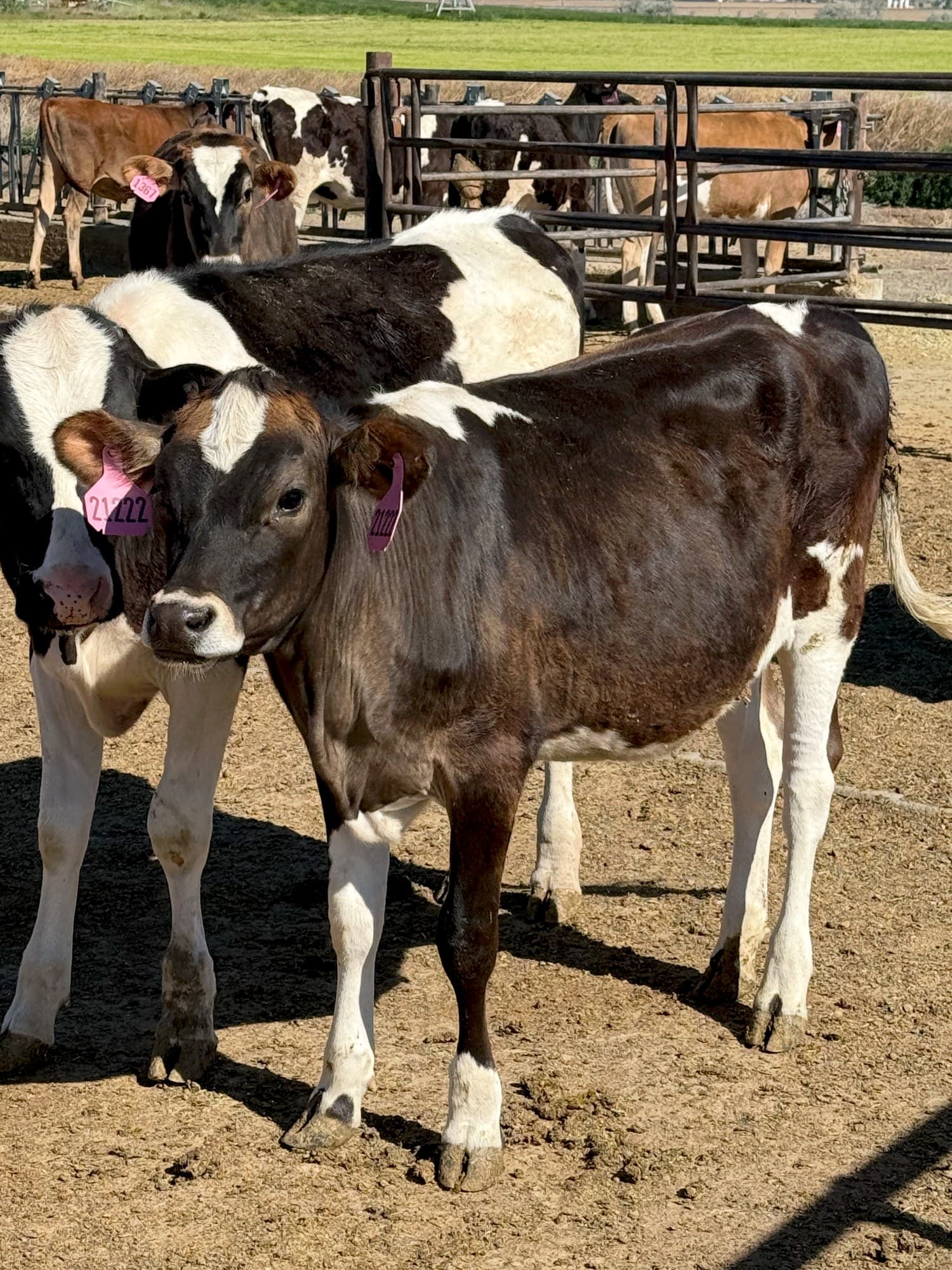
Certified organic operations across crops, forage, and livestock.